In recent years, the demand for natural herbal products has grown significantly across the world. From skincare and hair care to wellness and personal hygiene, consumers are increasingly choosing products made with plant-based ingredients over those containing numerous synthetic chemicals. This shift reflects a growing awareness of ingredient transparency, environmental responsibility, and a desire to embrace a more natural lifestyle.
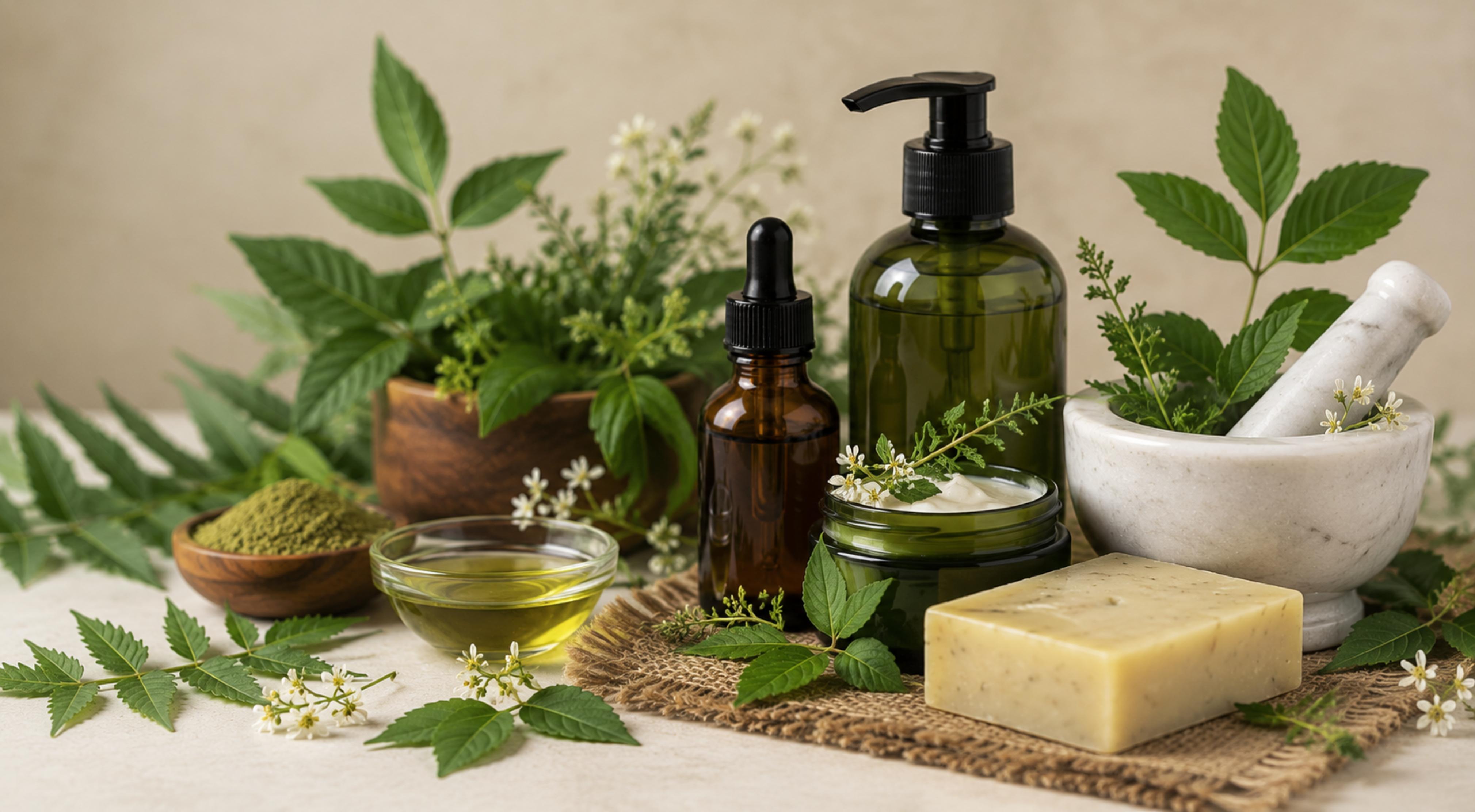
Herbal products have been used for centuries in different cultures, but modern consumers are rediscovering their value in a new way. Today, natural products are no longer limited to traditional remedies—they are available as shampoos, soaps, face washes, body lotions, herbal powders, essential oils, and much more.
Modern lifestyles often expose people to pollution, stress, and demanding routines. As a result, many individuals are paying closer attention to the products they use every day. Reading ingredient labels, choosing naturally derived formulations, and reducing unnecessary chemicals have become common habits among health-conscious consumers.
Rather than following short-term trends, many people are making long-term lifestyle choices that prioritize quality, sustainability, and naturally sourced ingredients.
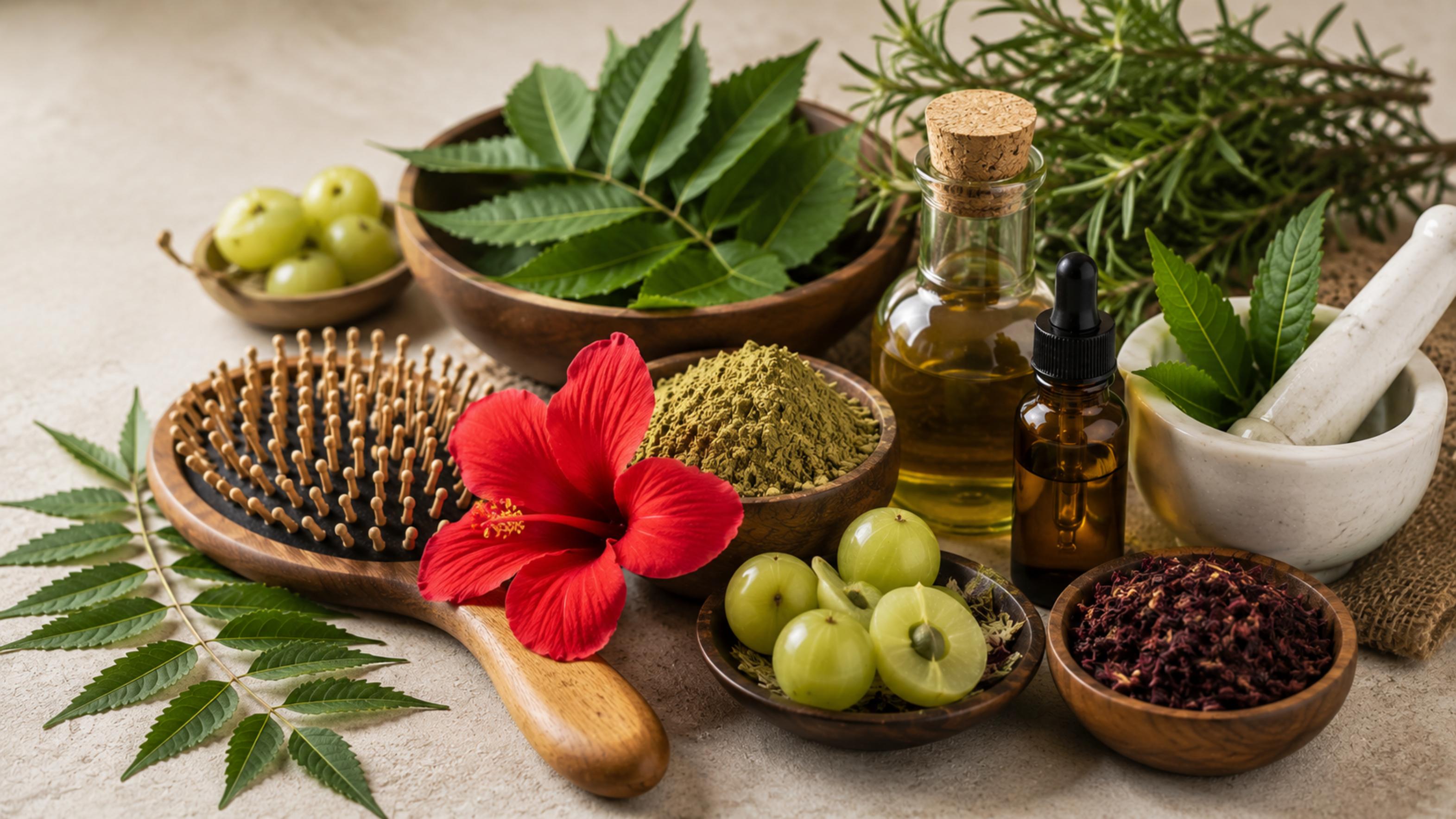
One of the biggest reasons for the popularity of herbal products is their connection to nature. Herbs such as aloe vera, neem, rosemary, hibiscus, tulsi, turmeric, chamomile, and green tea have been valued for generations and continue to be widely used in modern formulations.
These ingredients are commonly incorporated into products designed for everyday personal care, making it easier than ever to enjoy plant-based alternatives as part of a daily routine.
Many shoppers now prefer products with clear and understandable ingredient lists. Instead of long lists filled with unfamiliar chemical names, they often choose products that highlight recognizable botanical ingredients.
Transparent labeling helps consumers understand what they are purchasing and encourages confidence in the products they use regularly.
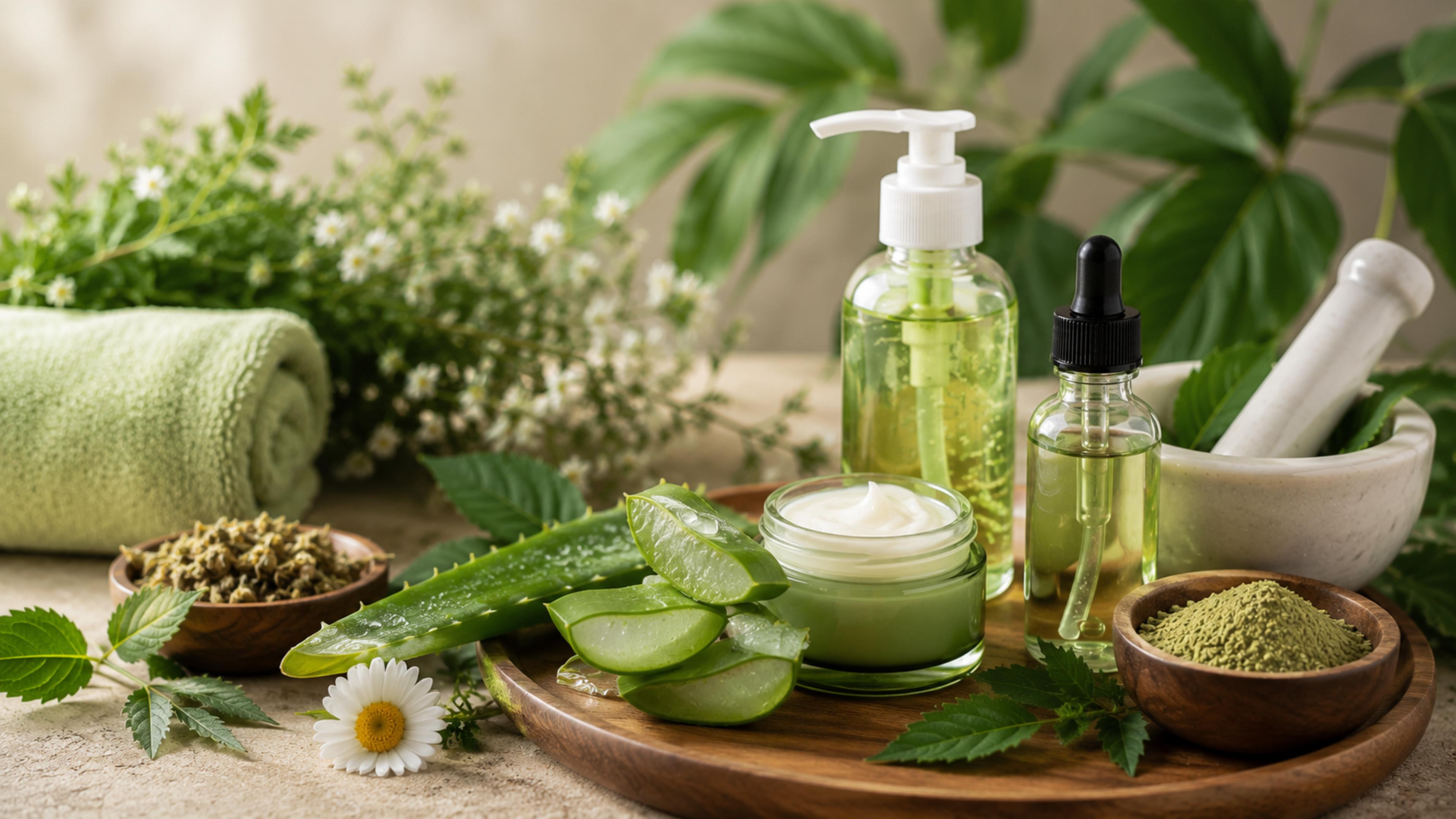
Herbal skincare has become one of the fastest-growing categories in the beauty industry. Botanical ingredients are commonly found in cleansers, moisturizers, face masks, toners, facial oils, and body care products.
Many consumers appreciate herbal skincare because it aligns with a gentle and nature-inspired approach to self-care. Ingredients like aloe vera, turmeric, green tea, and chamomile are frequently included in products designed for everyday use.
Hair care is another area where herbal products continue to gain popularity. Traditional herbs such as rosemary, hibiscus, bhringraj, amla, and neem are widely used in shampoos, conditioners, hair oils, and scalp care products.
Plant-based hair care products have become an important part of many people's routines, especially for those looking to incorporate naturally inspired ingredients into their daily grooming habits.
Sustainability has become an important factor in purchasing decisions. Many herbal brands are adopting environmentally responsible practices, including sustainable farming, recyclable packaging, reduced plastic use, and ethical sourcing.
Consumers increasingly want products that not only benefit their personal care routines but also reduce their environmental impact.
Many herbal ingredients are cultivated by local farming communities. Choosing responsibly sourced herbal products often supports sustainable agriculture and encourages traditional farming practices that have been preserved for generations.
Responsible sourcing also helps ensure that herbs are harvested carefully, preserving both quality and biodiversity.
Switching to herbal products doesn't have to happen all at once. Small, gradual changes can make the transition simple and enjoyable.
As interest in herbal products continues to grow, selecting quality products becomes increasingly important. A reliable product should clearly list its ingredients, follow good manufacturing practices, and prioritize responsible sourcing.
Looking for trusted brands, proper certifications where applicable, and transparent labeling can help consumers make informed purchasing decisions.
Every individual has unique preferences and skin or hair characteristics. A product that works well for one person may not be ideal for another. Whenever trying a new skincare or hair care product, performing a patch test is a sensible precaution.
If you have allergies, sensitive skin, or existing medical conditions, consult a qualified healthcare professional before using herbal products intended for consumption or therapeutic purposes.
The future of herbal products looks promising as innovation continues to combine traditional botanical knowledge with modern manufacturing techniques. Consumers are becoming more informed, and brands are responding by creating products that emphasize quality, sustainability, and ingredient transparency.
This growing interest is encouraging the development of herbal formulations that meet the expectations of today's environmentally conscious and wellness-focused consumers.
The increasing popularity of natural herbal products reflects more than a passing trend. It represents a thoughtful shift toward mindful living, responsible consumption, and greater appreciation for nature's resources.
Whether you're selecting herbal skincare, botanical hair care, or everyday wellness products, choosing high-quality, naturally inspired formulations can be a meaningful step toward a lifestyle that values simplicity, sustainability, and the enduring benefits of plant-based ingredients.