Living a healthier lifestyle doesn't always require dramatic changes. Often, small and consistent habits have the greatest impact over time. One growing trend embraced by people around the world is herbal living—a lifestyle that incorporates plant-based products into everyday routines. Whether it's choosing herbal skincare, enjoying botanical teas, or using naturally inspired personal care products, herbal living encourages a closer connection with nature.
Rather than focusing on quick fixes, herbal living emphasizes balance, simplicity, and mindful choices. By gradually introducing herbal products into different aspects of daily life, you can create routines that are both enjoyable and sustainable.
Herbal living is the practice of incorporating herbs and botanical products into everyday life. It extends beyond wellness products and includes skincare, hair care, home care, and personal care routines inspired by natural ingredients.
Herbal living is not about replacing every modern convenience. Instead, it encourages thoughtful choices that prioritize naturally sourced ingredients whenever they fit your lifestyle and preferences.
Consumers today are becoming more aware of the products they use every day. Many people prefer products with transparent ingredient lists and naturally derived formulations. This growing awareness has contributed to the popularity of herbal products across many categories.
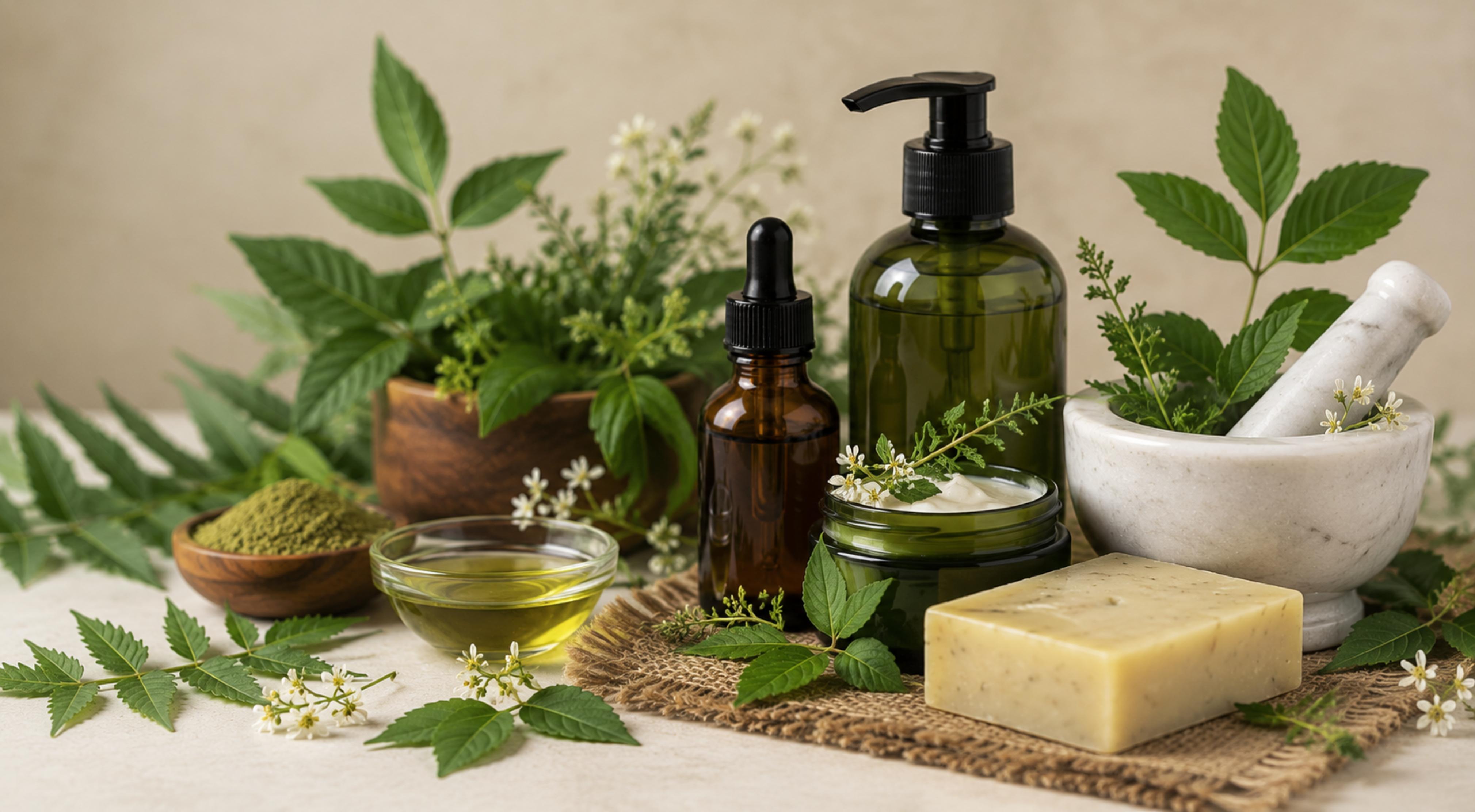
One of the easiest ways to begin is by selecting herbal soaps, shampoos, conditioners, and body lotions made with botanical ingredients. These products can fit naturally into your existing daily routine.
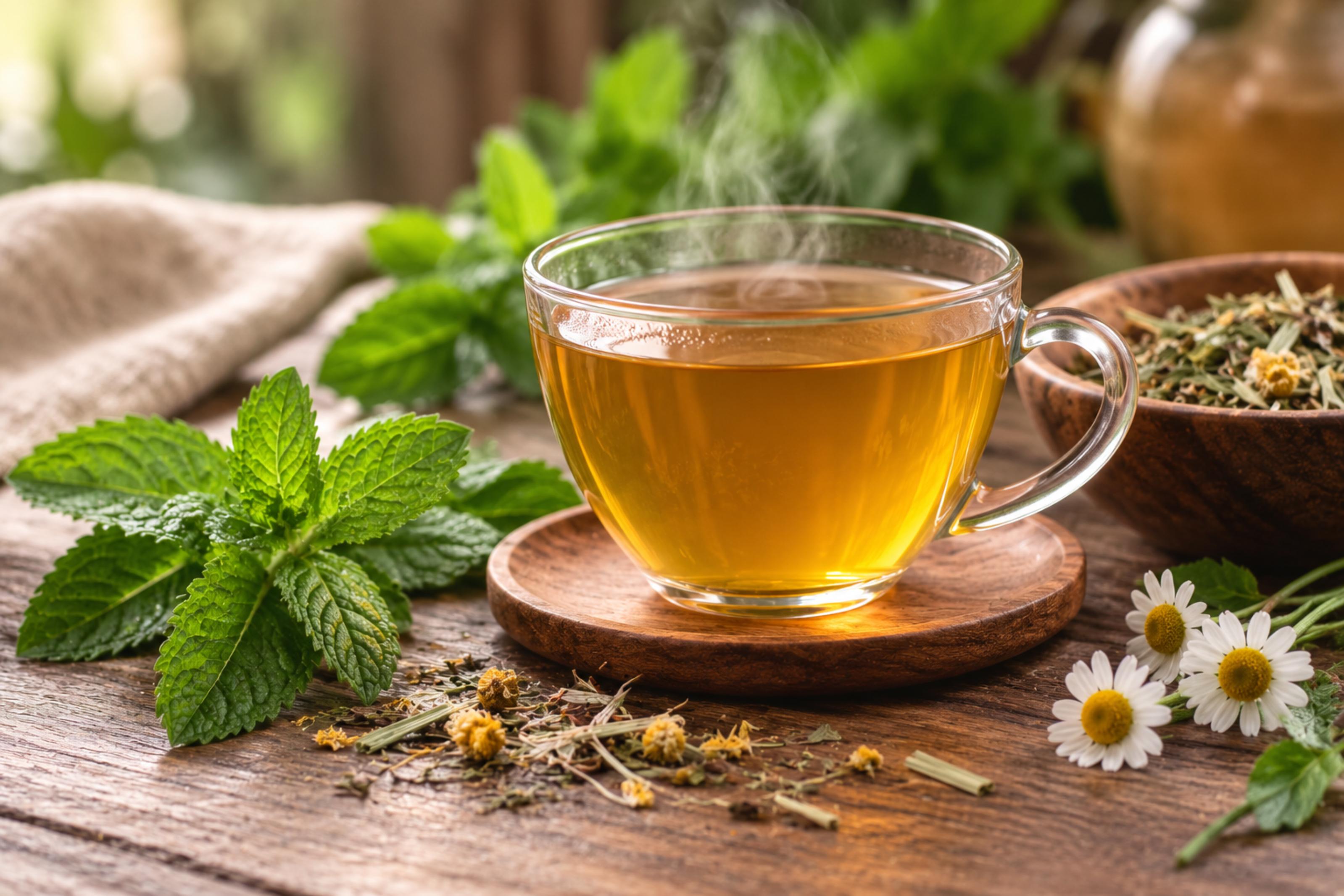
Herbal teas such as chamomile, peppermint, tulsi, and ginger are popular beverages enjoyed by many people as part of moments of relaxation throughout the day.
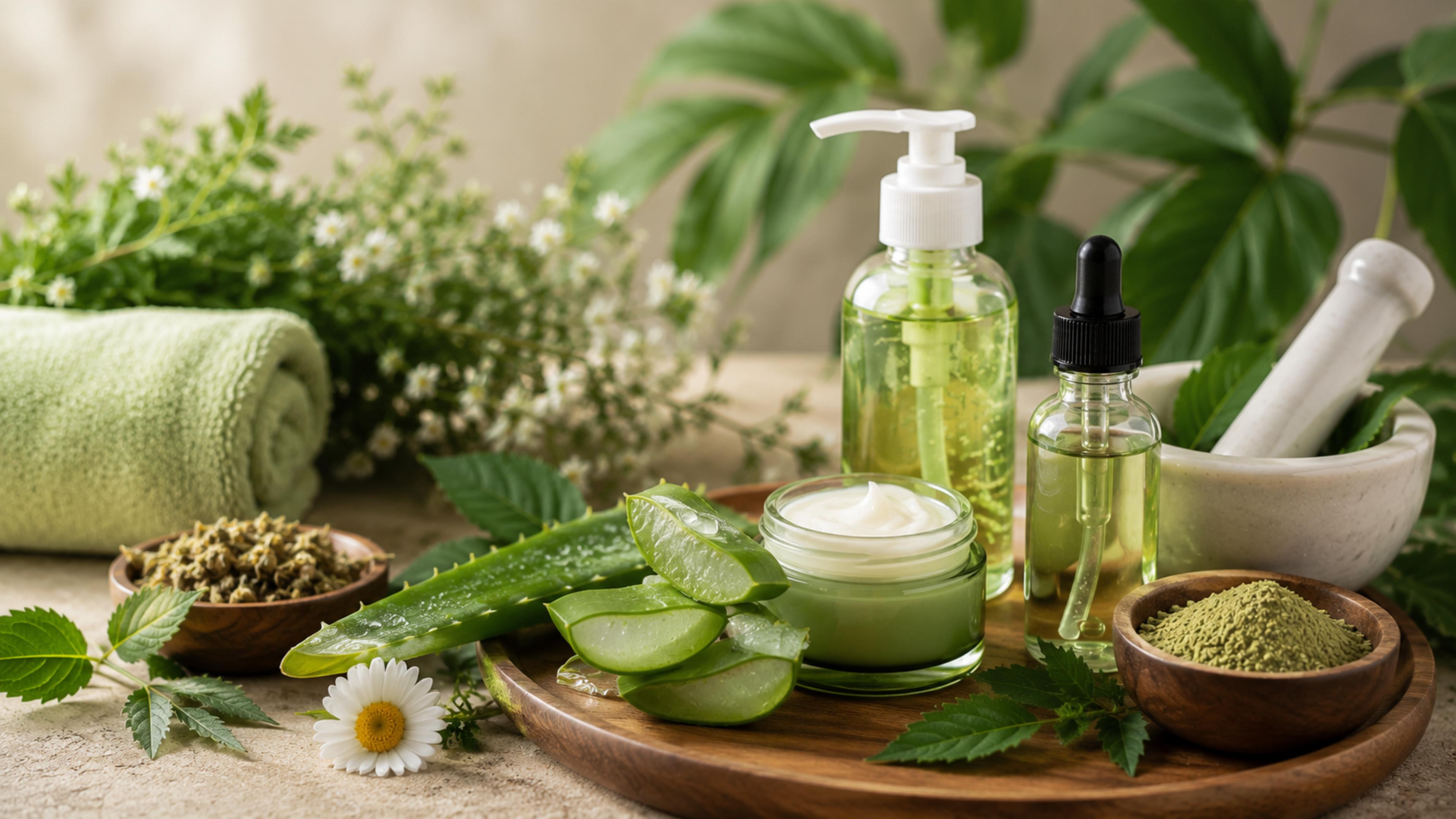
Face cleansers, moisturizers, facial masks, and botanical oils made with ingredients such as aloe vera, turmeric, rose, or green tea can complement a simple skincare routine.
Botanical hair oils, herbal shampoos, and conditioners made with rosemary, hibiscus, neem, or amla are widely used in modern hair care products.
Aloe vera is commonly found in skincare, hair care, and body care products because of its refreshing texture and botanical appeal.
Neem is widely used in soaps, shampoos, face cleansers, and personal care products inspired by traditional herbal practices.
Turmeric continues to be a valued ingredient in herbal skincare products and botanical formulations.
Rosemary is frequently included in shampoos, scalp oils, and natural hair care products.
Chamomile is appreciated for its gentle nature and is commonly used in herbal teas and skincare products.
Green tea extracts are widely incorporated into facial cleansers, moisturizers, and herbal skincare formulations.
Herbal living is most effective when combined with healthy everyday habits. While herbal products can become a valuable part of your routine, they work best alongside a balanced lifestyle.
As interest in herbal products continues to grow, choosing high-quality products becomes increasingly important. Reliable brands typically provide transparent ingredient lists, responsible sourcing, and consistent manufacturing standards.
Many herbal brands are adopting environmentally responsible practices that benefit both consumers and the planet. Sustainable farming, recyclable packaging, and ethical sourcing have become important considerations for many people when selecting personal care products.
Supporting brands that value sustainability helps encourage responsible cultivation of herbs while protecting natural resources for future generations.
Herbal living is not about following strict rules or making overnight changes. It is about making gradual improvements that fit comfortably into your daily life. Replacing one or two products with herbal alternatives can be a meaningful first step toward a more mindful lifestyle.
Small habits practiced consistently often create lasting routines that are both practical and enjoyable.
Everyone's skin, hair, and wellness preferences are different. Before using a new herbal product, consider performing a patch test if it is intended for topical use. If you have allergies, existing medical conditions, or concerns about herbal products intended for consumption, seek advice from a qualified healthcare professional.
Herbal living is more than a trend—it reflects a growing appreciation for simple, nature-inspired choices that support everyday well-being. By incorporating thoughtfully selected herbal products into your skincare, hair care, and personal care routines, you can create habits that align with a balanced and sustainable lifestyle.
Every small step toward natural living contributes to a routine built on consistency, mindfulness, and respect for nature. Whether you're just beginning your journey or expanding an existing routine, herbal living offers a practical way to embrace the timeless value of botanical ingredients in everyday life.